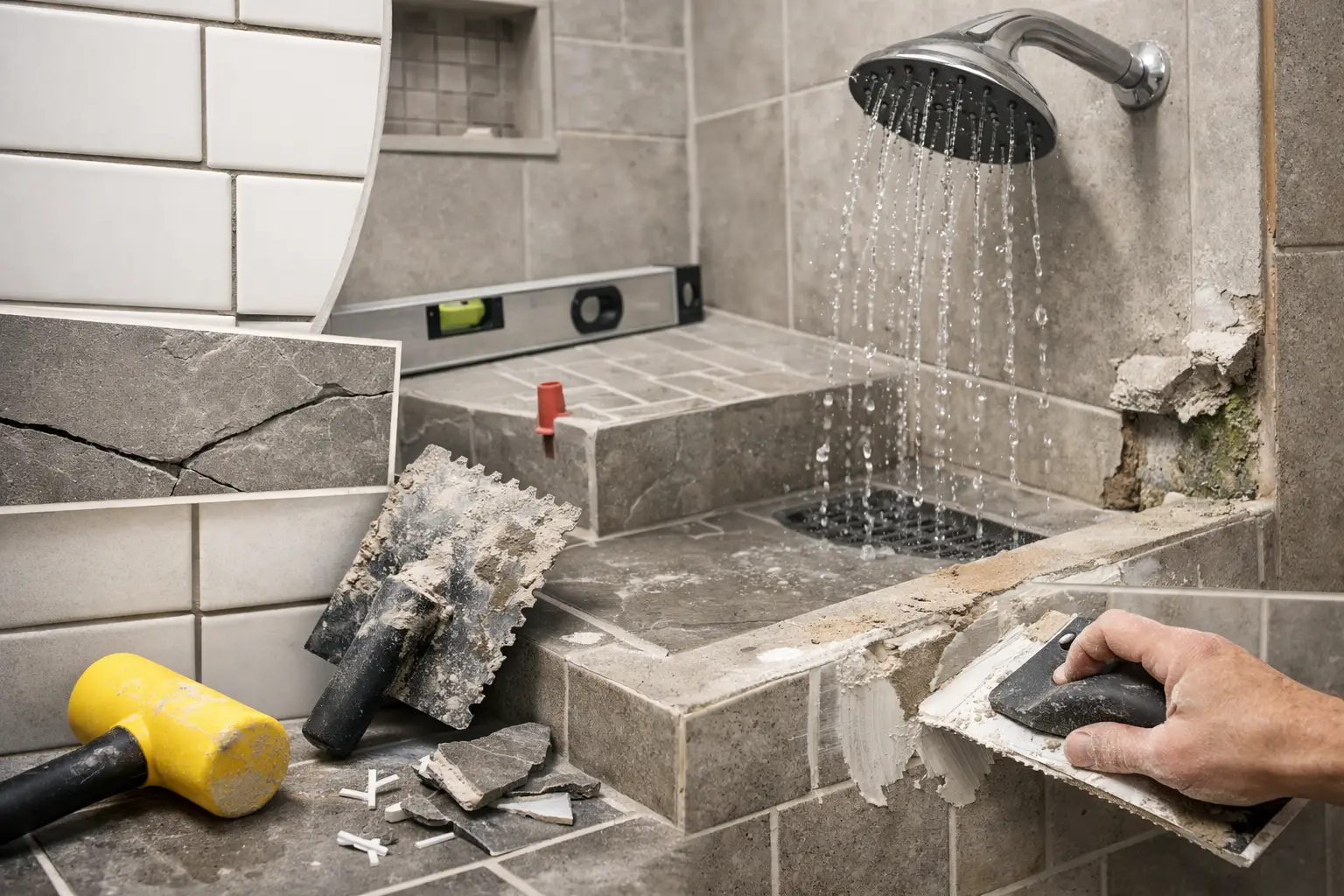
8 Top Mistakes When Tiling Showers
A shower rarely fails because of the tile you can see. It fails because of what sits beneath it – the falls, the substrate, the waterproofing, the junctions and the finishing discipline. That is why the top mistakes when tiling showers are rarely cosmetic at first. They start quietly, then show up later as cracked grout, drummy tiles, stained joints, mould, leaks and a finish that never quite looks premium.
In a well-built bathroom, shower tiling is not just decoration. It is part of a system. The visual result matters, of course, but the real standard is whether the installation stays true, drains properly and continues performing under daily use. For homeowners, builders and developers alike, this is where shortcuts become expensive.
Why shower tiling goes wrong
Shower areas are unforgiving. They deal with constant moisture, cleaning products, movement, temperature variation and frequent foot traffic in a relatively tight footprint. A kitchen splashback can tolerate a little imperfection. A shower cannot.
The common problem is treating shower tiling as the final trade instead of a coordinated sequence. If demolition is rough, the substrate uneven, the screed poorly formed or the waterproofing compromised, even beautifully installed tiles are sitting on a weak foundation. Precision at the face depends on discipline before the first tile is laid.
Top mistakes when tiling showers that cause costly failures
1. Tiling over an unprepared or unstable substrate
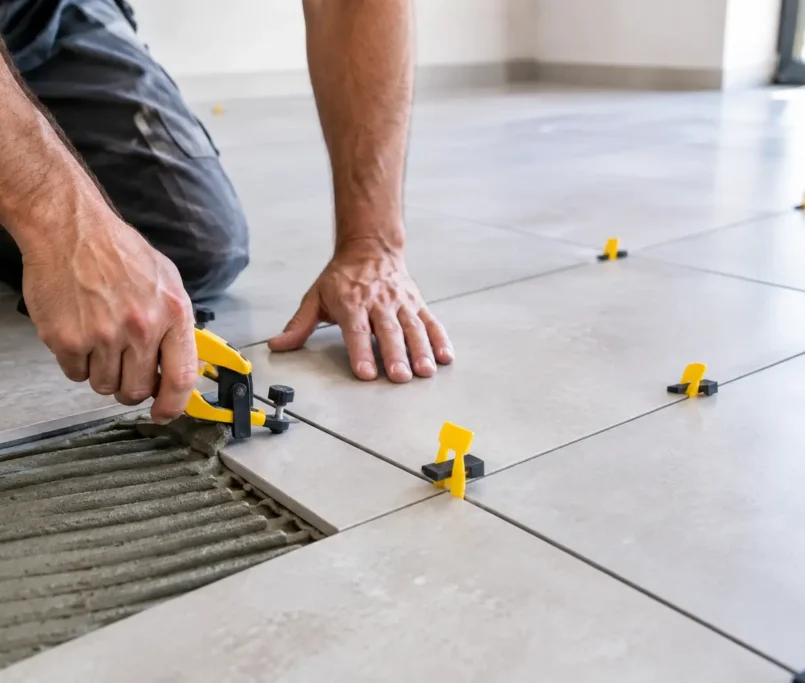
This is one of the most common errors and one of the most damaging. If the walls are out of plumb, the floor is uneven or the substrate moves more than it should, the finished tiling will reveal it. You may notice lippage, inconsistent joints or corners that do not line through cleanly. Over time, you are more likely to see cracked grout and bond failure.
Proper preparation is not glamorous, but it is what separates a serviceable shower from an exceptional one. Cement sheet installation, levelling, screeding and correcting structural irregularities all shape the quality of the finished work. In high-end bathrooms, especially with large-format tiles, even small deviations become obvious.
2. Getting the falls wrong
A shower floor should drain efficiently without feeling awkward underfoot. That balance takes care. Falls that are too flat leave water sitting on the surface. Falls that are too steep can look clumsy, create uncomfortable footing and disrupt tile layout.
This becomes more complex with larger tiles, linear wastes and design-led wet area layouts. There is no one-size-fits-all approach. The ideal fall depends on the shower size, waste position and tile format. What matters is that water moves cleanly to the waste without ponding in corners or along edges. When this is missed, the shower may still look fine on day one, but daily use will expose the flaw quickly.
3. Treating waterproofing as a box-ticking exercise
Few shower failures are as disruptive as waterproofing failure. It is also one of the most misunderstood parts of the process. Waterproofing is not simply a coat applied before tiling. It is a system that depends on the right product, correct coverage, dry times, joint treatment and careful handling at penetrations and transitions.
The mistake is assuming that any membrane application is good enough. It is not. Shower niches, tap penetrations, hob details, wall-to-floor junctions and waste connections all require close attention. If one area is rushed or damaged before tiling begins, the risk moves behind the finish where it is harder and more expensive to rectify.
For clients investing in premium bathrooms or multi-unit projects, this is where workmanship standards matter most. You are not paying only for the visible finish. You are paying for the hidden discipline that protects the space long after handover.
4. Choosing the wrong tile for the shower area
Not every tile that looks impressive in a showroom belongs in a shower. Some are too slippery for the floor. Others are difficult to install neatly around falls and wastes. Some porous materials require a level of maintenance that does not suit the client or the setting.
This is where design and practicality need to work together. A large-format porcelain tile can look refined and expansive on shower walls, but on the floor it may complicate drainage if the layout is not resolved properly. Small mosaics can handle falls well and offer better grip, but they introduce more grout joints, which changes both the appearance and maintenance profile.
A premium result is not just about selecting an expensive tile. It is about selecting the right tile for the substrate, the wet area performance requirements and the aesthetic intent of the room.
5. Poor set-out and awkward tile layout
A shower can be fully waterproof and technically sound, yet still feel second-rate if the set-out is careless. Thin slivers at edges, off-centre cuts, uneven niche alignment and grout lines that do not carry cleanly across planes all undermine the finish.
Good set-out is where craftsmanship becomes visible. Before installation begins, the tile layout should be planned around focal points, fixtures, waste positions, thresholds and visual balance. This matters even more in design-sensitive bathrooms where symmetry, proportion and clean lines are part of the brief.
There are times when the perfect set-out on paper must adjust to site conditions. That is normal. What matters is having the judgement to make those adjustments without compromising the overall composition. Precision tiling is as much about decisions as it is about installation technique.
6. Using the wrong adhesive or applying it poorly
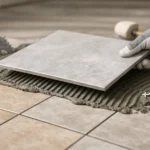
Adhesive selection is not generic, especially in wet areas. The tile type, tile size, substrate and environmental conditions all influence what should be used. Then there is the application itself – coverage, trowel selection and bedding technique all affect bond strength.
A common issue is insufficient coverage behind the tile, particularly with large-format pieces. Voids behind tiles can lead to hollow spots, reduced bond performance and a greater likelihood of cracking under impact or movement. In shower floors, poor adhesive application also affects support and drainage consistency.
This is one of those details clients may never see directly, but they absolutely feel the consequences when the work ages badly.
7. Relying on grout where movement joints are needed
Grout is not a substitute for flexible movement accommodation. Showers include changes of plane, material transitions and areas subject to slight movement over time. If these junctions are hard-grouted instead of properly sealed with a suitable flexible product, cracking is far more likely.
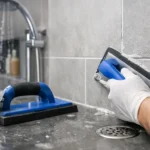
Corners are the obvious example, but they are not the only ones. Around shower bases, wall junctions and transition points, the finishing approach should account for movement as well as appearance. A crisp caulking line, colour-matched and neatly tooled, protects the installation while maintaining a polished look.
This is often where rushed work gives itself away. Finishing details tell you a lot about the standard of the trade behind them.
8. Rushing the programme
Shower tiling rewards patience. Substrates need to be ready. Waterproofing needs to cure properly. Adhesives and grout need the right conditions and timing. If the programme is compressed too aggressively, one shortcut tends to trigger another.
On residential renovations, that pressure often comes from understandable eagerness to get the bathroom back in use. On commercial and multi-unit work, it tends to come from programme demands. Either way, speed without process control usually costs more later.
The better approach is efficient sequencing rather than rushed execution. A responsive contractor should keep a job moving, but not by skipping the parts that secure the outcome. At Perfectly Laid, that distinction matters because schedule reliability only means something when the workmanship holds up as well.
What a well-tiled shower should feel like
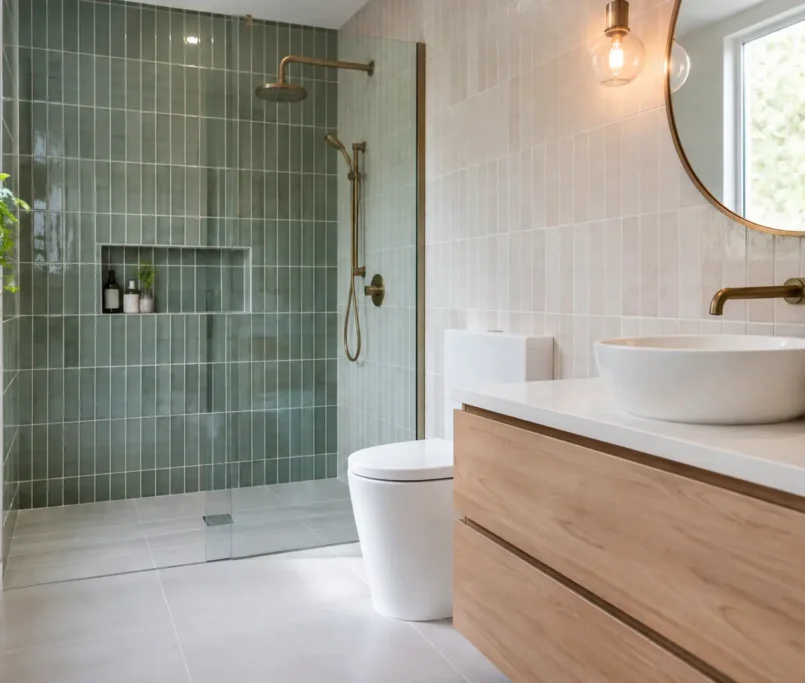
A properly executed shower feels calm, intentional and easy to live with. Water drains as it should. The lines are clean. The cuts make sense. The corners are crisp. The tile selection suits the space, and the finish still feels solid months and years later.
That result is not accidental. It comes from disciplined preparation, sound technical judgement and a level of care that extends from demolition to final caulking. There is artistry in shower tiling, but it is built on method.
If you are planning a bathroom renovation, a custom home or a larger residential development, the real question is not simply which tile to choose. It is whether every layer beneath that tile is being handled with the same precision as the surface you will see every day. Get that right, and the shower does more than look exceptional – it stays that way.