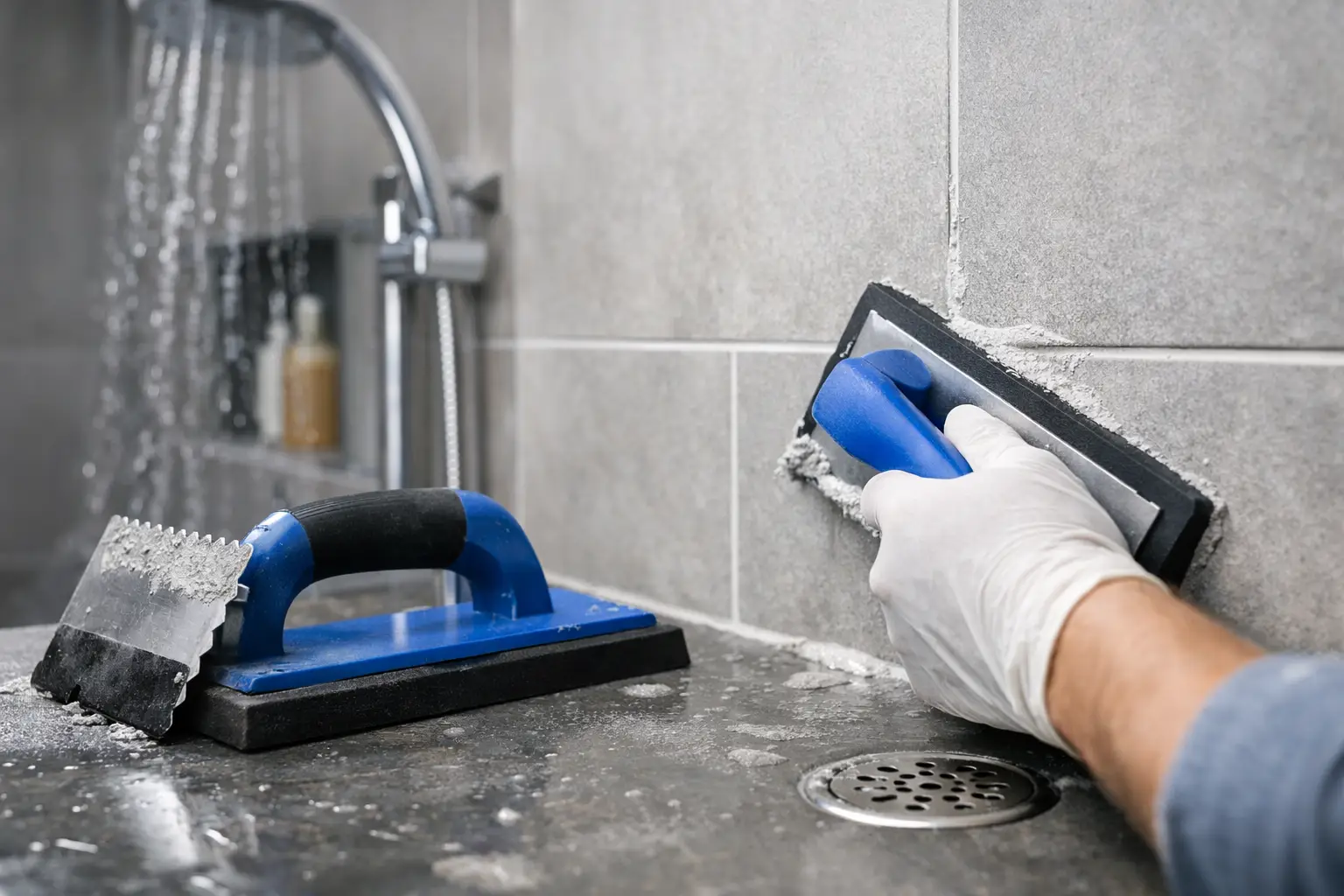
Best Grout for Wet Areas: What Works
A bathroom can look exceptional on handover day and still fail quietly within months if the grout choice is wrong. In showers, wet rooms, laundries and pool-adjacent spaces, grout is not a minor finishing touch – it is part of the system that protects the tile layout, supports hygiene and preserves the standard of the installation. Choosing the best grout for wet areas means looking beyond colour charts and focusing on how the space performs under daily moisture, cleaning and movement.
For homeowners, that affects how long the room keeps its crisp, high-end finish. For builders, developers and project managers, it affects call-backs, maintenance expectations and long-term presentation across one unit or two hundred. The right grout is always tied to the substrate preparation, waterproofing, tile type, joint width and the way the area will actually be used.
What makes the best grout for wet areas?
The best grout for wet areas is usually the one that matches the installation, not the one with the boldest marketing claim. Wet zones place grout under constant pressure from moisture, temperature change, cleaning chemicals, soap residue and, in some cases, structural movement. A product that performs beautifully on a kitchen splashback may be the wrong specification for a heavily used shower recess or commercial washroom.
In practical terms, the best-performing grout in wet areas needs low water absorption, strong stain resistance, good bond strength and enough flexibility for the conditions. It also needs to be installed properly. Even a premium grout will struggle if the tile bed is uneven, the substrate is unstable or movement joints have been ignored.
That is why grout selection should never be separated from the broader tiling scope. Surface preparation, waterproofing, falls, tile spacing and finishing details all influence the result.
Cement grout, epoxy grout and hybrid options
Most wet-area projects come down to three categories: cement-based grout, epoxy grout and performance-enhanced hybrid or polymer-modified grout. Each has a place, and each comes with trade-offs.
Cement-based grout
Standard cement grout is common because it is cost-effective and familiar. It can suit some wet areas, particularly when specified as a higher-grade polymer-modified product rather than a basic mix. The improved versions offer better water resistance, flexibility and colour consistency than entry-level cement grout.
The trade-off is maintenance. Cementitious grout is generally more porous than epoxy, so it is more vulnerable to staining, discolouration and moisture retention if the space is heavily used. In a family bathroom or laundry, that can mean more regular cleaning and a greater risk of the joints looking tired before the tiles do.
Epoxy grout
If the brief is maximum resistance to water, staining and chemicals, epoxy is often the strongest contender for the best grout for wet areas. It is non-porous, highly durable and well suited to showers, steam-prone environments, commercial bathrooms and spaces where hygiene matters.
Its challenge is application. Epoxy is less forgiving to install, especially on textured tiles or intricate layouts, and the workmanship must be precise. It also sits at a higher price point. For premium projects, though, the performance can justify the investment, particularly where the expectation is a crisp finish that stays cleaner for longer.
Hybrid and high-performance grouts
Between those two ends of the spectrum are advanced grouts designed to combine easier application with better water and stain resistance. These products can be an excellent fit for residential bathrooms, laundries and alfresco areas where a balance of performance, finish quality and installation efficiency is needed.
Not every hybrid grout performs equally, so the product specification matters. The label alone is not enough. Joint width, tile porosity, exposure levels and cleaning regime all need to be considered before deciding it is the right call.
Where wet areas differ from one another
A common mistake is treating all wet zones as if they behave the same way. They do not.
A shower recess faces direct and repeated water exposure, heat variation and soap build-up. A laundry may be damp more occasionally but exposed to harsher cleaning products. An alfresco entertaining area or pool surround introduces rain, UV exposure, dirt and thermal movement. In commercial settings, cleaning frequency and foot traffic can be much higher than in a private home.
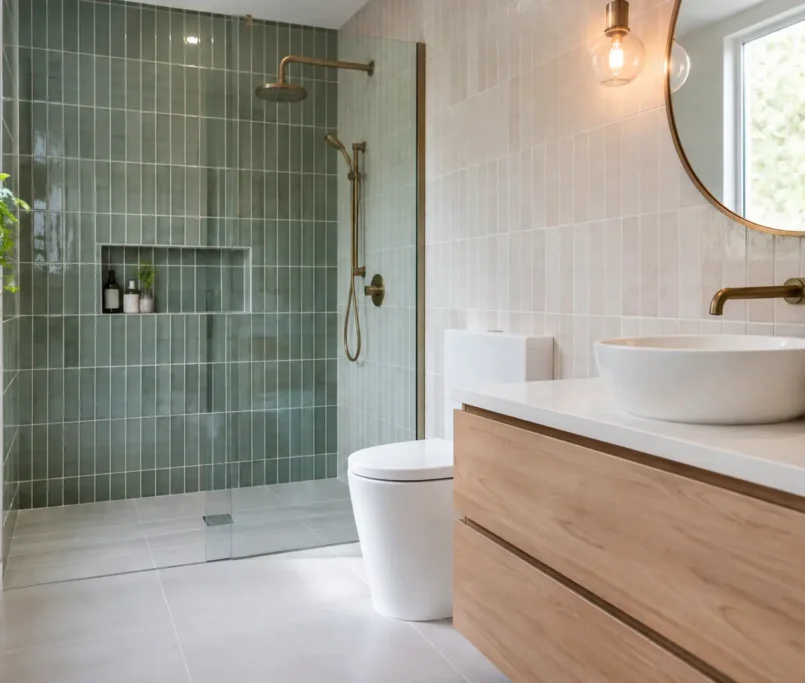
That means the best grout for wet areas in one project may not be the best choice in another. A high-end ensuite with large-format porcelain tiles may suit a different grout than a boutique gym shower block or a multi-residential development where consistency across many units is essential.
Why grout is not a substitute for waterproofing
This point matters. Grout helps manage surface performance, but it is not the waterproofing system. Even epoxy grout is not a replacement for correctly installed membranes, proper detailing at junctions and suitable falls to drainage.
When wet-area failures occur, grout often gets blamed first because it is visible. In reality, the issue may sit deeper – poor substrate preparation, movement cracking, insufficient waterproofing coverage or water ponding due to incorrect levels. Premium tiling is never just about the face value of the tile and grout. It is the result of disciplined work beneath the surface.
For that reason, grout should be chosen as part of a complete installation approach, not as a quick fix for a weak base.
Colour, finish and long-term appearance
Performance is the priority, but aesthetics still matter. Grout lines shape the overall look of the space. They can sharpen a contemporary scheme, soften natural stone, or create the quiet, refined finish that makes a bathroom feel expensive rather than busy.
In wet areas, lighter grout can look elegant but may reveal staining more easily if the wrong product is chosen. Very dark grout can create dramatic contrast, though it may show residue or inconsistency if installation is rushed. Mid-tones are often the most forgiving, particularly in family homes or commercial spaces where easy upkeep matters.
Colour consistency is another reason product quality and installation standards count. Uneven mixing, poor wash-down technique or using the wrong grout for the tile can all leave patchiness that undermines an otherwise excellent layout.
When epoxy is worth it – and when it may not be
Epoxy earns its reputation for good reason, but it is not automatically the right answer on every project. In a premium shower or commercial wet area with high use, it can be the best investment because it resists moisture and staining so effectively. It also helps preserve a cleaner, more polished appearance over time.
But there are cases where a high-quality polymer-modified grout is the smarter specification. If the tile selection is delicate, the joint layout is narrow, or the project needs a particular installation workflow, a top-tier cementitious or hybrid product may offer the right balance. The point is not to force one material into every scenario. It is to match the grout to the demands of the space and the finish expected.
The installation standard matters as much as the product
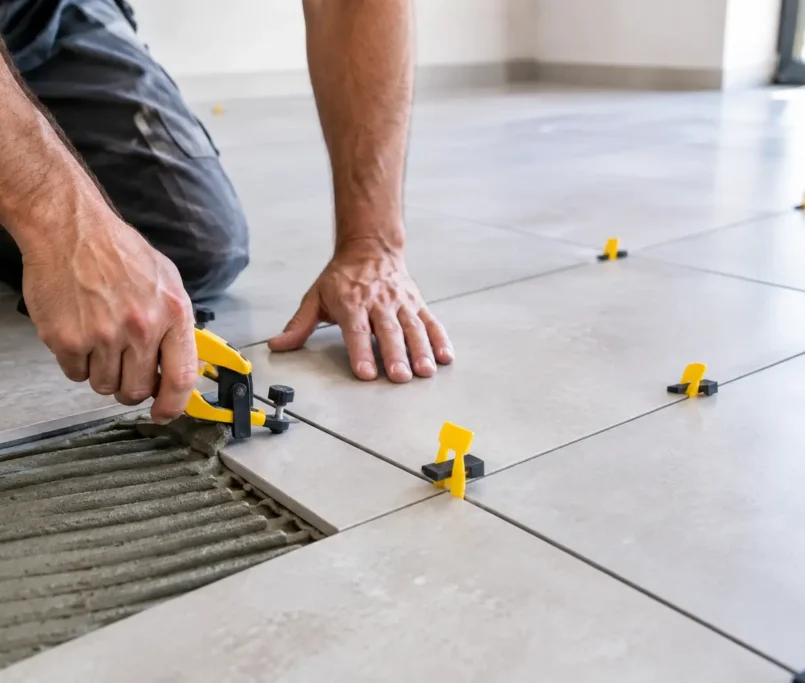
Grout performance is shaped by workmanship. Joint depth, cleaning timing, curing conditions and movement detailing all affect the result. If grout is washed too aggressively during installation, the joints can weaken or cure unevenly. If movement joints are replaced with rigid grout where flexible sealant should be used, cracking is likely.
This is especially relevant in large-format tiling, luxury bathrooms and commercial rollouts, where the visual standard is high and repetition makes defects obvious. Precision matters at every stage, from substrate correction to the final wipe-down. That is where an experienced tiling contractor protects the outcome – not simply by choosing a branded bag or tub, but by delivering the system properly.
So, what is the best grout for wet areas?
If you want the shortest honest answer, epoxy is often the best grout for wet areas where maximum moisture resistance, stain control and durability are the priority. For many premium showers and commercial environments, it is hard to beat.
But the better answer is more precise. The best grout depends on the tile, the joint width, the amount of water exposure, the maintenance expectations and the quality of the installation beneath it. In many residential projects, a high-performance polymer-modified grout can deliver an excellent result when paired with correct preparation and waterproofing. In more demanding spaces, epoxy is often the stronger long-term choice.
At Perfectly Laid, that is how wet-area tiling should be approached – not as a cosmetic decision made at the end, but as a carefully specified part of a complete, high-standard installation.
If you are planning a bathroom, laundry, pool area or commercial wet zone, choose grout the same way you choose tile and waterproofing: with the finished look in mind, but with equal respect for what sits behind it. The spaces that stay beautiful are usually the ones built with that discipline from the start.