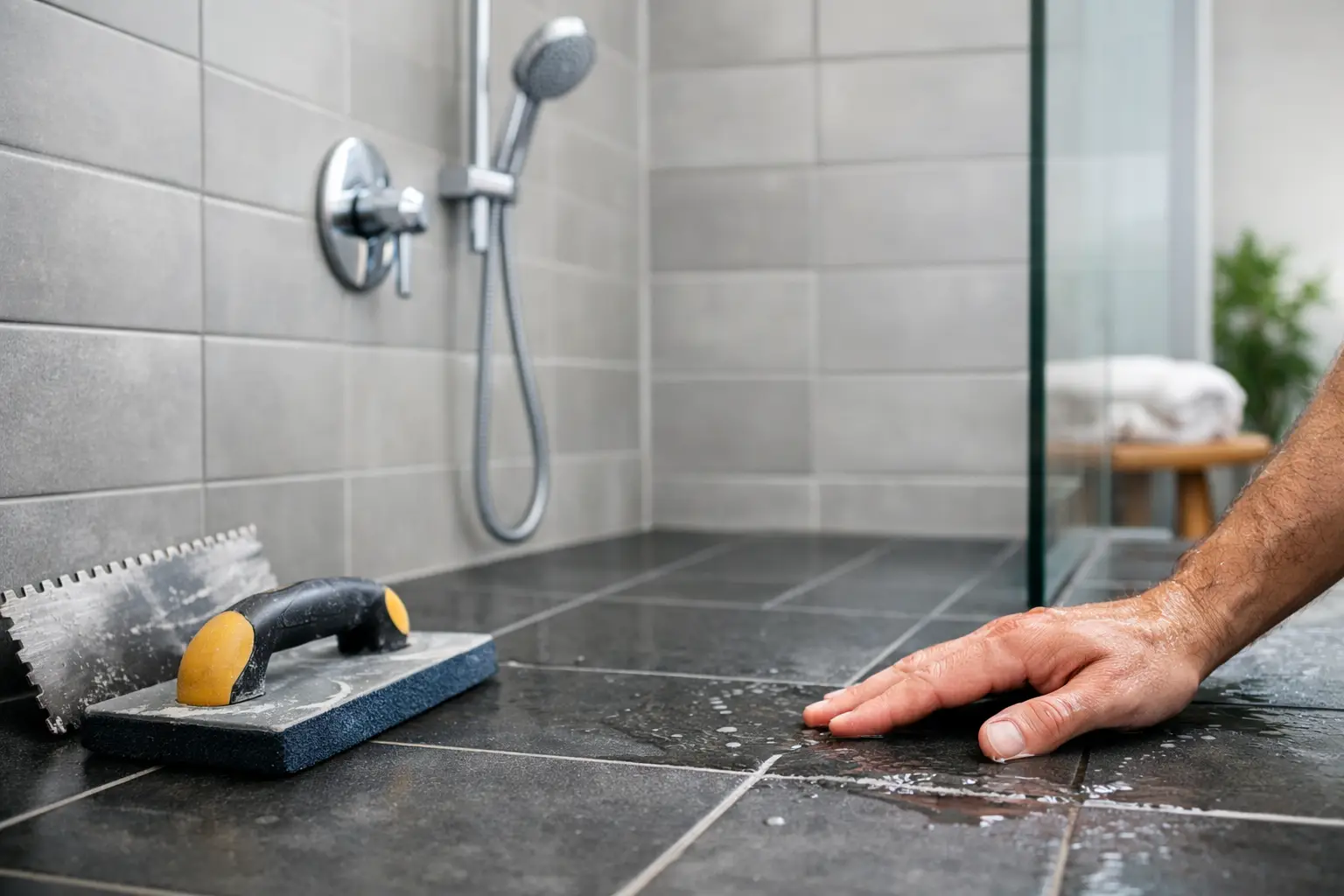
How Soon Can You Use a Tiled Shower?
That first finished look can be deceptive. A newly tiled shower may appear complete the moment the grout is wiped clean and the silicone line is neat, but appearance and readiness are not the same thing. Using it too early is one of the quickest ways to compromise an otherwise excellent bathroom finish.
If you are asking how long after tiling can you use the shower, the honest answer is usually at least 48 to 72 hours after the final stage of work. In some cases, it is longer. The exact timing depends on the tile adhesive, grout, silicone, substrate conditions, ventilation and whether waterproofing has had adequate cure time before tiling even begins.
For premium bathrooms and high-performance wet areas, patience protects the result. A shower is not simply a tiled surface. It is a system made up of preparation, waterproofing, fixing, grouting and sealing. Every layer matters.
How long after tiling can you use the shower safely?
As a general rule, you should wait a minimum of 48 hours after grouting and silicone finishing before using a newly tiled shower. Many professional installers will recommend 72 hours to be safe, especially in cooler conditions or where heavier moisture exposure is expected.
That timing is not based on the tiles themselves. Tiles are durable from the moment they are fixed into place. What needs time is the material behind and between them. Adhesives need to cure properly so tiles remain stable under movement and moisture. Grout needs to harden and dry so it can resist water ingress. Silicone, especially at wall-to-floor junctions and corners, needs enough time to form a proper watertight seal.
If any of those stages are rushed, water can find its way into areas it should never reach.
Why the waiting time matters more than most people think
Bathrooms fail quietly at first. There is rarely an immediate dramatic problem. Instead, early shower use can lead to subtle movement, weakened bond strength, patchy grout curing, or silicone that never fully seals as intended.
Over time, that can show up as cracked grout lines, drummy or loose tiles, staining, persistent damp smells or moisture damage behind the tiled surface. In higher-end bathrooms, where finish quality is part of the value, even minor failures are costly and frustrating.
This is why disciplined installation matters. Precision tiling is not just about straight lines and balanced joints. It is also about respecting cure times so the finished shower performs as beautifully as it looks.
What actually needs to cure before the shower is used
Tile adhesive
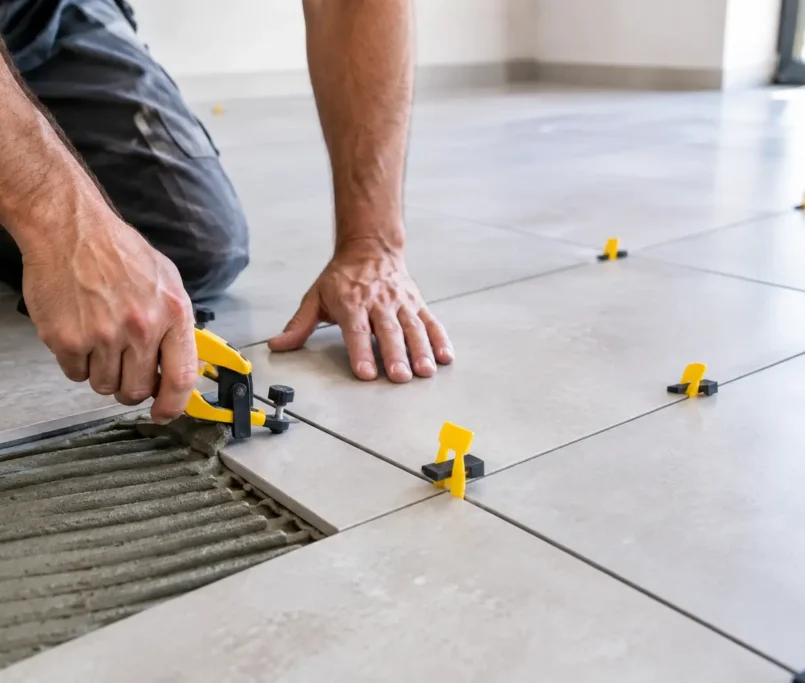
Most cement-based tile adhesives need around 24 hours before grouting, but that is not the same as being ready for shower use. Some large-format tiles, dense porcelain, low-porosity surfaces or uneven substrates can extend curing time because moisture leaves the adhesive more slowly.
Fast-set adhesives can reduce waiting times, but they still have manufacturer limits. A professional tiler will always work to the product specification rather than guesswork.
Grout
Grout often feels hard to the touch before it is fully cured. That can be misleading. Standard cementitious grout may need 24 to 72 hours before light water exposure, depending on the product and site conditions. Some premium grouts cure faster, while epoxy grouts follow a different schedule again.
If the shower is used too soon, grout can absorb moisture before it has properly hardened. That weakens performance and can affect colour consistency.
Silicone and movement joints
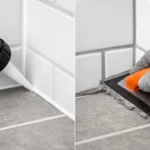
Silicone at internal corners, wall-to-floor junctions and around fittings is one of the most important moisture-control details in a shower. Most sanitary silicones need at least 24 hours to cure, and some need longer.
This is one of the most common points of failure when homeowners are eager to use the bathroom quickly. If silicone is disturbed or saturated too early, the seal can pull, bubble or cure poorly.
Waterproofing membrane
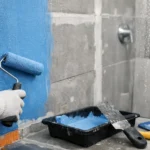
Strictly speaking, waterproofing cure time happens before tiles are laid, not after. But it still affects the overall programme. A shower that has been waterproofed and tiled in haste can carry hidden risk if membrane drying and curing stages were shortened.
In a properly managed installation, each layer is allowed to perform as intended before the next begins. That process is what protects the substrate and gives the tiled finish its longevity.
The factors that can extend the wait
There is no single answer that suits every shower. A compact en suite with good ventilation in warm weather may be ready sooner than a large bathroom tiled with oversized porcelain panels in winter.
Temperature plays a major role. Cooler rooms slow curing. High humidity does the same. Poor airflow can leave moisture trapped in adhesives, grout and silicone for longer than expected.
Tile type matters too. Porcelain is less porous than ceramic, so moisture escapes more slowly from the adhesive bed. Natural stone can be even more sensitive depending on the fixing method and sealing requirements.
The substrate also matters. Fresh screeds, levelling compounds or newly sheeted walls may each have their own drying timelines. In commercial settings or multi-unit developments, sequencing pressure can tempt shortcuts. That is exactly where an accountable tiling contractor adds value by protecting programme without compromising workmanship.
Can you speed the process up?
Sometimes, but only by specification, not by improvisation. Fast-setting adhesives, rapid-cure grouts and carefully selected sealants can reduce downtime, which is useful on tight renovation schedules or commercial fit-outs. Even then, the products must be compatible with one another and suitable for the substrate, tile type and wet area classification.
What does not help is forcing the issue with direct heat, heavy dehumidification too early, or using the shower for a quick rinse because it “should be fine”. Those shortcuts often cost more than the time they save.
A quality installer plans for curing time from the outset. That is a far better approach than trying to claw time back at the end.
Signs your shower is not ready yet
If the grout still looks darker in places, the silicone feels soft, or there is any lingering tackiness around sealed joints, the shower is not ready for use. Equally, if your tiler has given you a waiting period, that instruction should override visual judgement.
Finished surfaces can look complete well before the hidden components have stabilised. On premium projects, the standard should never be “probably ready”. It should be confirmed.
What to ask your tiler before first use
The right question is not only how long after tiling can you use the shower, but also which stage that timing runs from. Is it 48 hours after tiling, after grouting, or after final silicone? Those are very different milestones.
You should also ask what products were used and whether any site conditions have extended cure time. A reliable contractor will give you a clear handover window, not a vague estimate. That level of communication matters just as much as the physical installation.
For clients managing a renovation, a luxury home build or a multi-unit programme, that clarity helps avoid accidental damage by occupants, cleaners or follow-on trades.
Best practice for the first few uses
Once the waiting period has passed, use the shower normally but sensibly. Keep the space ventilated, avoid aggressively scrubbing fresh grout lines, and do not assume the area is immune to poor maintenance because it is newly completed.
If a sealer has been specified for the grout or natural stone, make sure that has been applied in line with the product guidance. Not every tiled shower needs the same aftercare, which is why tailored advice at handover is so valuable.
A premium finish is protected by patience
The best shower installations are not defined by speed alone. They are defined by precision, sound sequencing and respect for the materials that sit beneath the visible finish. That is true whether the project is a detailed residential bathroom or a large-scale development where consistency across many units matters.
At Perfectly Laid, that disciplined approach is part of what protects the final result. Because when a shower is used at the right time, after every layer has had the cure it needs, the finish does more than look exceptional on day one. It stays that way.
If your new shower is almost ready, give it the time it has earned. A little patience at the end of the project is often what preserves the perfection you invested in.