Tile Sealant Lifespan and When to Replace It
A beautifully tiled bathroom can still feel unfinished if the silicone around the bath is stained, split or pulling away from the wall. Tile sealant lifespan is not a minor maintenance detail: these narrow, flexible joints protect the clean lines of the installation while managing movement where rigid grout cannot.
For homeowners, this is often noticed only when mould returns or a joint looks tired. For builders, developers and facilities teams, it is a finishing detail that can affect handover quality, ongoing maintenance and confidence in the space. Knowing what to expect from tile sealant helps you act before a cosmetic issue becomes a water-management concern.
What does tile sealant actually do?
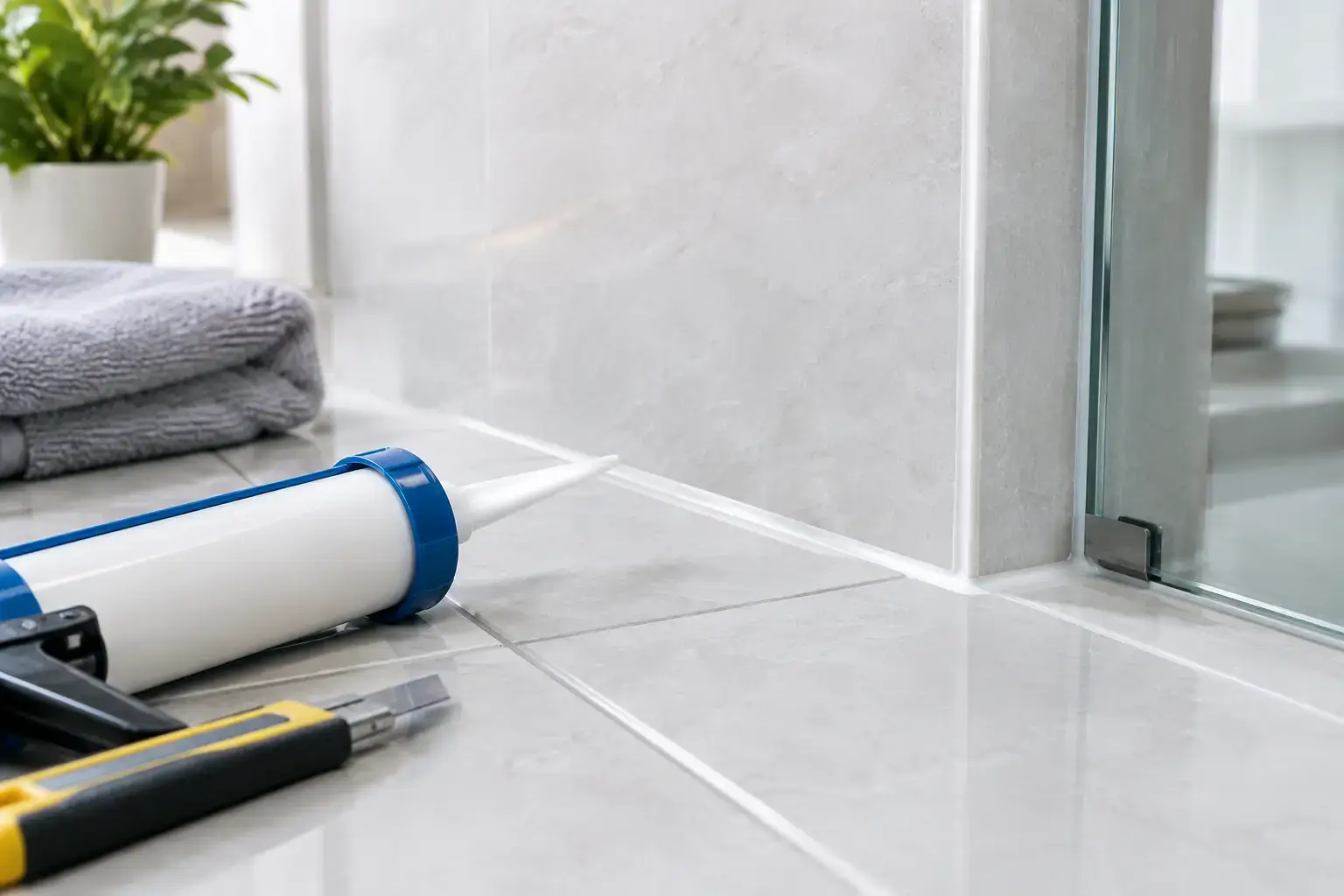
In tiled areas, the term sealant usually refers to flexible silicone or hybrid sealant installed at changes of plane and movement joints. Think wall-to-floor junctions, internal corners, the perimeter of a shower tray or bath, and where a tiled splashback meets a benchtop. These locations move subtly as buildings settle, materials expand and contract, and fixtures carry weight.
Grout is designed to fill tile joints, but it is rigid. Sealant is deliberately elastic, allowing it to accommodate movement without cracking. In wet areas, a quality sanitary silicone also creates a neat, water-resistant finish that is easier to clean than an open or deteriorating junction.
This is different from a penetrating sealer applied to natural stone, porcelain or grout. Those products protect porous surfaces from staining and moisture absorption. They have their own maintenance cycles, but they are not a substitute for correctly installed flexible sealant.
Tile sealant lifespan: realistic expectations
A well-installed, high-quality silicone joint in a lightly used internal area may remain in excellent condition for seven to ten years. In a busy family shower, around a heavily used bath or in a poorly ventilated bathroom, three to five years can be a more realistic expectation. Exterior joints often face an even harder life, with ultraviolet exposure, rain, temperature shifts and building movement shortening their serviceable life.
There is no fixed replacement date because the performance of a sealant bead depends on both its environment and its installation. The best product cannot compensate for a joint applied to damp, dusty or contaminated surfaces. Equally, a perfectly applied bead will deteriorate early if it is constantly exposed to standing water, harsh cleaning chemicals or substantial movement.
For high-end residential and commercial projects, the right approach is condition-based maintenance. Inspect the joints regularly and replace them when they show genuine signs of failure, rather than waiting for a calendar reminder or reacting only once water damage is suspected.
The factors that shorten sealant life
The largest influence is moisture exposure. Shower corners, bath perimeters and niches are repeatedly wet, often with limited time to dry between uses. Poor extraction makes this worse, encouraging mould to establish on the surface and around the edges of the bead.
Movement matters just as much. Timber floors, upper-level bathrooms, large-format tiles, sun-exposed façades and junctions between different materials can all create stresses that a narrow or poorly bonded bead may not accommodate. Sealant needs sufficient depth, width and adhesion to flex as intended.
Cleaning habits also make a difference. Abrasive scourers, bleach used too frequently, acidic cleaners and solvent-based products can dull, discolour or weaken the surface. Dark or heavily pigmented soaps, shampoo residue and body oils can leave a joint looking old before it has technically failed.
Finally, workmanship is decisive. Correct surface preparation, complete removal of old residue, suitable backing material where required, and a consistently tooled bead are not cosmetic extras. They determine whether sealant bonds properly and has room to perform.
Signs it is time to replace the sealant
Discolouration alone does not always mean the bead has failed. Surface mould can sometimes be cleaned safely with a suitable product, particularly if the silicone remains smooth, firmly bonded and unbroken. Persistent staining that has penetrated the sealant, however, is usually a good reason to renew it for a cleaner finish.
Replacement should not be delayed when you see cracking, splits, shrinkage, gaps at either edge, peeling, or sections that feel loose. These indicate the sealant is no longer forming a continuous flexible joint. A bead that has become hard and brittle has also reached the end of its useful working life, even if it has not visibly separated yet.
Pay particular attention to the junction between a bath or shower tray and the tiled wall. Water tends to sit here, and minor movement when the fixture is loaded can open a failed joint. In a shower, recurring mould behind or beneath the bead, rather than on its surface, can be another sign that renewal is overdue.
Why a neat bead is more than a finishing touch
Silicone is sometimes treated as a quick cosmetic repair at the end of a bathroom renovation. That approach creates avoidable risk. A rushed bead can hide uneven cuts, cover poor preparation or bridge a gap that should have been addressed earlier. It may look acceptable on day one but fail prematurely under use.
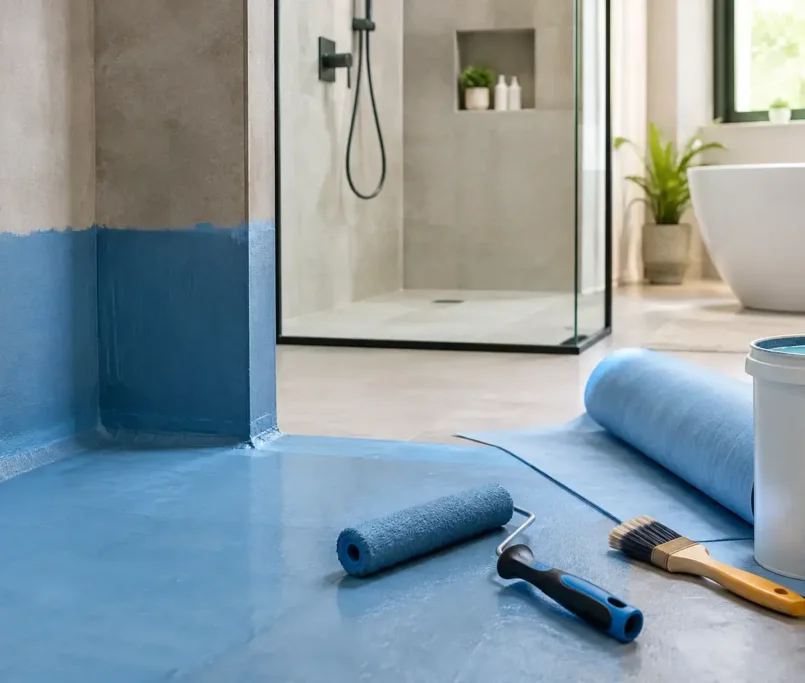
A professional installation begins with a sound tiled substrate and correctly detailed waterproofing behind the tile finish. Surface sealant is an important line of defence at exposed junctions, but it is not a replacement for compliant waterproofing. If water gets through a damaged joint, the consequences depend on the construction behind it, which is why early attention is always preferable.
For a refined result, colour selection matters too. Clear silicone can be useful in some settings, but it can expose uneven edges and collect visible residue. Colour-matched silicone often produces a more considered, architectural finish around tiles, stone and sanitaryware. The choice should complement the overall design while remaining appropriate for the joint and environment.
Maintaining sealant without shortening its life
Good ventilation is the simplest protection. Run the extractor during and after showering where possible, wipe down areas where water pools, and avoid leaving wet bath mats or bottles pressed against a joint. These small habits reduce the moisture load that feeds mould growth.
Clean gently and consistently rather than using aggressive products only when staining becomes obvious. A mild bathroom cleaner and soft cloth are usually sufficient for routine care. Avoid scraping sealant with blades or hard tools, even when soap residue is stubborn, as small cuts create places for moisture and grime to gather.
In commercial bathrooms, hospitality spaces and fitness facilities, maintenance teams should include sealant joints in regular visual inspections. High traffic changes the equation: more cleaning, more moisture, more impact and less drying time mean joints may need renewal earlier than those in a private ensuite.
Replacing sealant properly
The temptation to apply a fresh line over old silicone is understandable, but it rarely creates a reliable repair. New sealant does not consistently bond to cured silicone, and any mould or failed sections beneath remain in place. The result can look improved briefly while concealing an incomplete fix.
A proper replacement involves removing all existing sealant, cleaning the joint thoroughly, allowing the area to dry completely and preparing the surfaces for adhesion. The correct sealant is then applied at a suitable profile and tooled cleanly, with protection from water until it has cured according to the product requirements.
This is especially important around showers, baths, balconies and alfresco areas, where the appearance of the joint and its water-management role are inseparable. If tiles are loose, grout is extensively cracked or there are signs of substrate movement, replacing silicone alone may not address the underlying cause. The area should be assessed before cosmetic repairs begin.
At Perfectly Laid, finishing details receive the same disciplined attention as preparation and tile alignment, because the smallest junctions often determine whether a completed space feels genuinely complete. A clean, flexible, precisely tooled sealant joint protects the design language of the room while supporting the long-term performance expected from quality tiling.
A sealant bead rarely demands attention when it is doing its job well. Keep an eye on it, maintain it gently, and renew it at the first clear signs of deterioration – the result is a tiled space that continues to look intentional, polished and properly cared for.