Outdoor Living Tile Trends for Refined Spaces
A beautifully tiled outdoor area should still feel considered after a wet winter, a busy weekend of entertaining and years of sun exposure. The strongest outdoor living tile trends are not simply about choosing a fashionable surface. They bring material, proportion, drainage and installation precision together, creating patios, terraces and alfresco spaces that look effortless because every practical detail has been resolved beneath the finish.
For homeowners, builders and developers, the appeal is clear. Outdoor areas are no longer treated as separate add-ons to the home. They are extensions of kitchens, living rooms and entertaining spaces, expected to carry the same level of design intent while performing in far harsher conditions.
Outdoor living tile trends that earn their place
The current direction is refined rather than flashy. Natural textures, generous formats and quiet colour palettes are shaping outdoor spaces with a more architectural feel. Yet a trend only works when it suits the site, the building and the way people will actually use the area.
Stone-look porcelain with greater depth
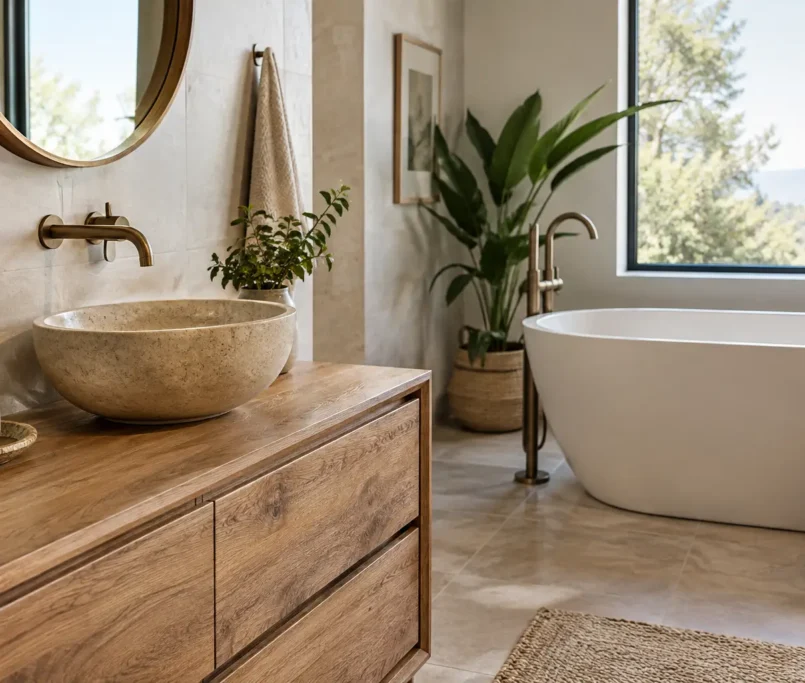
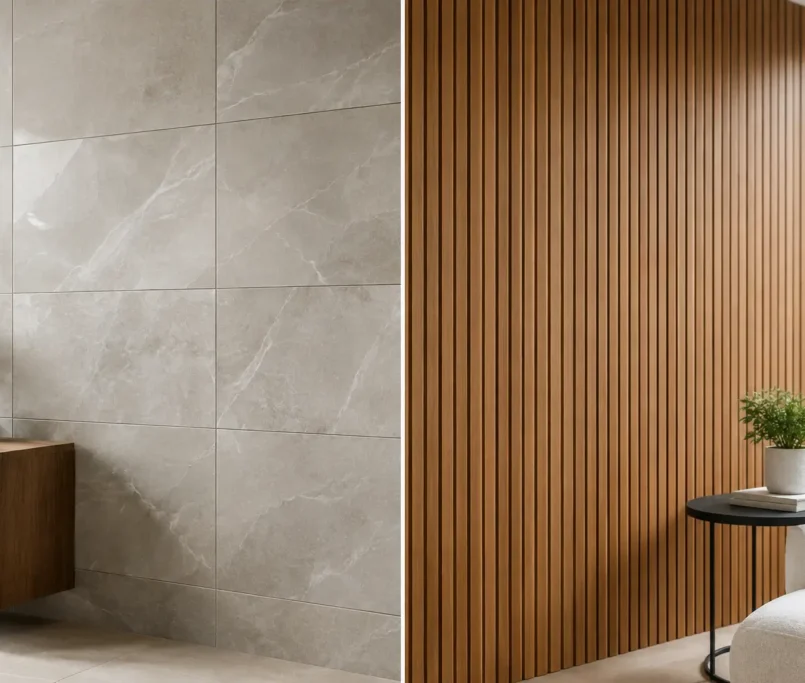
Porcelain that convincingly reflects limestone, travertine, bluestone and pale concrete remains a leading choice. The best ranges have variation in tone, fine mineral movement and a tactile surface that avoids the flat, repetitive look of older printed tiles. They offer the visual warmth of natural stone with lower absorption and more predictable day-to-day maintenance.
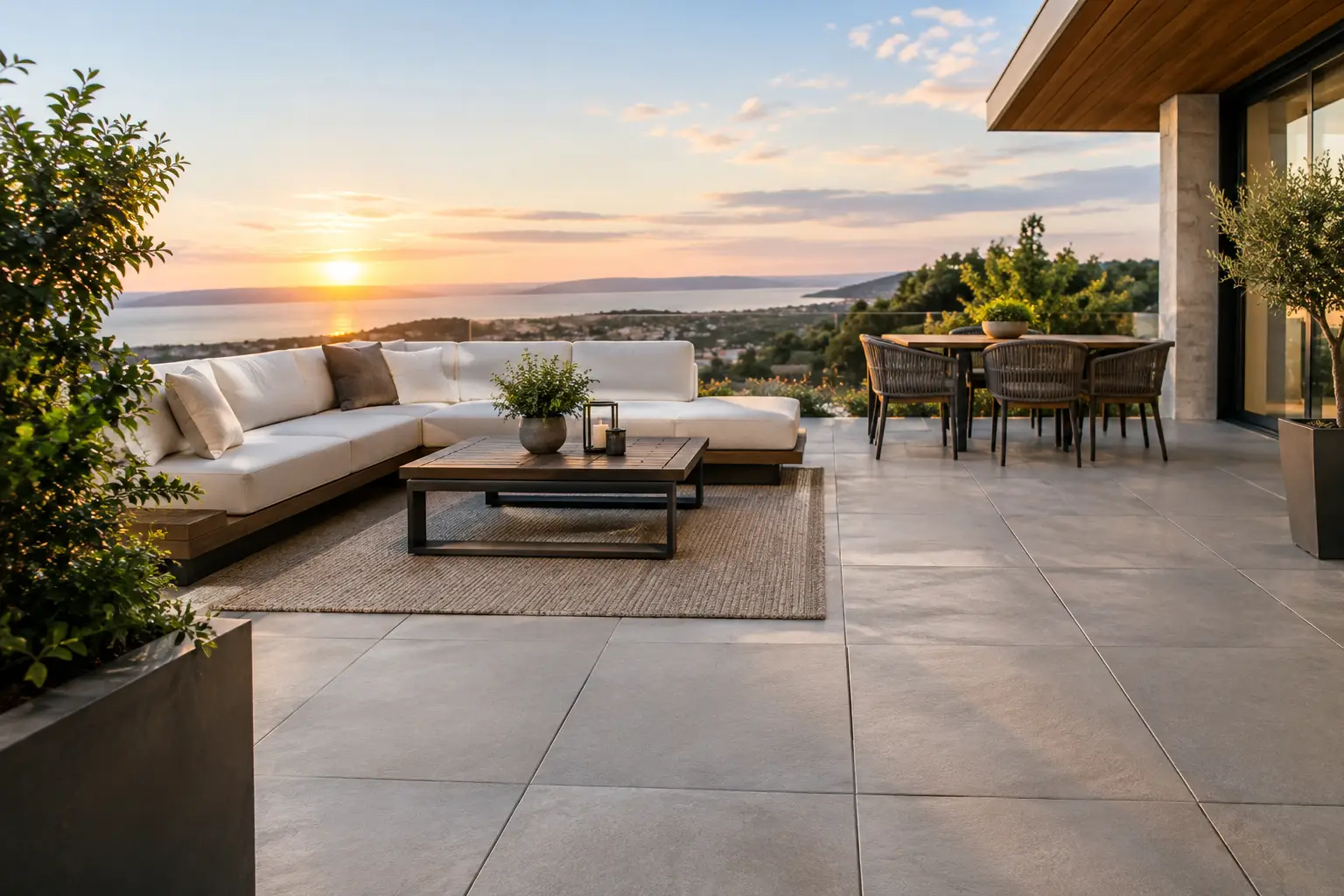
Pale limestone-inspired finishes bring a calm, resort-like quality to pool surrounds and covered entertaining zones. Mid-grey stone looks offer a more contemporary edge, particularly alongside dark joinery, black-framed doors and landscaped greenery. Warm sand, oatmeal and soft clay tones are also gaining ground, softening modern architecture without becoming overly rustic.
Porcelain is not automatically the right answer for every project. Genuine stone can develop a beautiful patina and may be the better fit for heritage homes or highly tactile garden settings. It does, however, demand careful product selection, sealing where required and a realistic understanding of maintenance. The specification should reflect the client’s appetite for upkeep as much as the desired appearance.
Large-format tiles and quieter grout lines
Large-format outdoor tiles continue to define premium projects because they create a cleaner, more continuous surface. Fewer grout joints allow the tile itself to lead, helping compact courtyards feel broader and larger terraces feel more composed. Formats such as 600 x 600 mm, 600 x 1200 mm and plank-style tiles can all work beautifully when they are scaled to the space.
Bigger is not always better. An oversized tile in a narrow side courtyard can result in awkward cuts and an unbalanced layout. It can also make it harder to achieve the necessary falls without visible lipping if the substrate is not properly prepared. A well-planned set-out is what makes a large format feel luxurious: balanced cuts, purposeful joint placement and clean alignment with thresholds, walls and architectural lines.
Matching grout closely to the tile has become the preferred approach for many contemporary outdoor schemes. It gives the surface a calmer read, while still allowing the joints to perform their essential role. Contrast grout can be effective in a more graphic or heritage-inspired design, but it should be an intentional feature rather than an afterthought.
Indoor-outdoor continuity, handled with care
One of the most requested looks is a tiled floor that visually carries from inside to out. When the kitchen, dining area and alfresco zone share a related finish, the home feels larger and more connected to the landscape. This is particularly effective with wide sliding or stacking doors, where the floor becomes part of the view.
Continuity does not mean using exactly the same tile everywhere. Interior tiles may not have the slip resistance or weather suitability required outdoors. A considered specification often pairs an indoor finish with an external version from the same collection, maintaining the colour and character while increasing grip underfoot.
Thresholds need particular attention. Levels, drainage, door clearances and movement joints must all be accounted for before installation begins. Trying to force a flush transition without adequate falls or waterproofing is a shortcut that can compromise both the appearance and the building fabric. The aim is a transition that feels refined while directing water away from the home.
Texture, grip and comfort underfoot
Outdoor design is becoming more sensory. Homeowners are moving away from glossy surfaces in favour of matt, brushed, structured and gently textured finishes that feel appropriate beneath bare feet. This shift is aesthetic, but it is also practical. Wet tiles around pools, outdoor kitchens and exposed terraces need an appropriate slip-resistant surface.
The right level of texture depends on location. A fully covered alfresco area may allow for a smoother tile than an exposed pool deck or a path that receives regular rain. More texture generally improves grip, but it can also hold dirt and make cleaning more demanding. The right choice balances safety, maintenance and the way light will fall across the surface.
Darker tiles can create a dramatic, sophisticated outdoor setting, but heat retention deserves discussion in sunny locations. A charcoal porcelain terrace may look striking beside pale render and planting, yet it can become uncomfortable under bare feet when exposed to strong afternoon sun. Lighter shades are often more forgiving for pool surrounds and open entertaining areas, although glare should also be considered.
The rise of tiled outdoor rooms
Outdoor kitchens, fire features, built-in seating and tiled planter walls are turning patios into fully formed rooms. Rather than limiting tile to the floor, designers are using it to wrap benches, clad barbecue islands and create visual links between vertical and horizontal surfaces.
This approach can produce an exquisite result, especially when a single stone-look porcelain is carried across a floor and a low feature wall. It also raises the standard required of the installation. External corners, mitred edges, drainage points and junctions around appliances must be planned with precision. A tile that looks perfect across an open floor can quickly lose its impact if the finishing details around a barbecue or bench are poorly resolved.
Smaller-format tiles are also returning as accents rather than dominant surfaces. Think finger mosaics on a bar front, handmade-look ceramics on a sheltered splashback, or a subtle mosaic line defining a pool edge. These details add character and depth, but should be reserved for locations suited to the product and exposure level. Not every decorative tile is designed for direct weather or constant moisture.
Preparation is shaping the finished look
The most influential trend is less visible than colour or format: a greater appreciation for the work beneath the tile. Outdoor areas rely on a stable substrate, accurate falls, appropriate waterproofing and movement provision. Without these fundamentals, even the finest tile selection can fail to deliver.
Existing slabs often require more assessment than expected. Cracks, inconsistent levels, poor drainage and previous coatings can all affect the final installation. Demolition, re-levelling or screeding may be required before tiling begins. This is not unnecessary delay. It is the process that gives tiles the stable, correctly graded foundation needed to perform.
Drainage should be designed, not improvised. Water needs a clear route away from buildings and off tiled surfaces, particularly at door openings and around outdoor kitchens. Falls must work with the chosen tile size and layout, while drainage grates should be positioned thoughtfully so they do not interrupt the visual rhythm of the floor.
Movement joints deserve the same care. External tiled areas expand and contract with changing temperatures. Properly located movement joints and flexible perimeter detailing help accommodate that movement and reduce the risk of cracking or debonding. They may be subtle, but they are a hallmark of professional workmanship.
Choosing a trend that will still feel right later
The most successful outdoor spaces do not chase every new look. They select a finish that belongs to the architecture, suits the climate and supports the lifestyle of the people using it. A Mediterranean-inspired travertine look can feel timeless beside textured render and olive planting; a large-format concrete look may better serve a sharply detailed contemporary extension.
Before settling on a tile, view full samples outdoors at different times of day. Consider how the colour changes when wet, how the texture feels underfoot and how it sits against fencing, façade materials and landscape elements. Ask to see the proposed layout as well, because the set-out, grout tone and edge treatment will shape the result as much as the tile itself.
At Perfectly Laid, precision begins before the first tile is placed. A considered outdoor surface is built through clear planning, disciplined preparation and finishing details that protect the whole composition. Choose a tile with lasting character, then give it the installation standard that allows it to stay that way.