
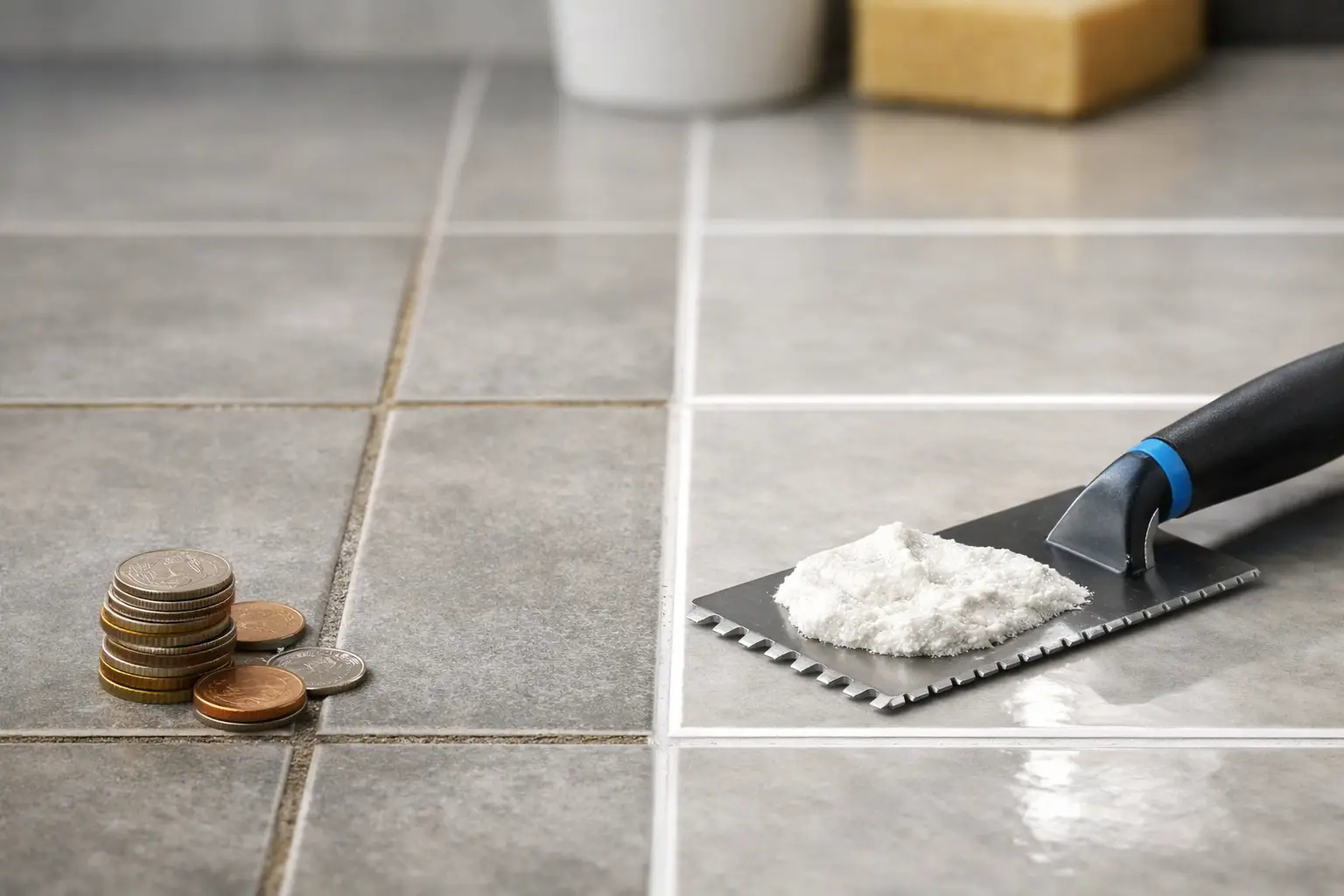
Epoxy Grout Review: Is It Worth the Extra Cost?
A flawless tile selection can still lose its impact to stained, cracking or uneven grout lines. This epoxy grout review looks beyond the sales claims to assess what this high-performance material delivers in real bathrooms, kitchens, commercial spaces and outdoor entertaining areas. Epoxy grout can create an exceptionally clean, durable finish, but it is not a shortcut product. Its result depends heavily on preparation, timing and the quality of the installation.
What epoxy grout is designed to do
Unlike traditional cement-based grout, epoxy grout is made from resin, hardener and a filler powder. Once mixed and cured, it forms a dense, non-porous joint between tiles. That density is the reason it is prized in spaces where appearance and hygiene need to hold up over time.
In practical terms, epoxy grout is highly resistant to water absorption, many household stains, oils and cleaning chemicals. It does not generally need sealing in the way cement grout does. For a shower wall, a pale kitchen splashback or a busy hospitality floor, that can make a meaningful difference to the long-term appearance of the tilework.
It is also available in a wide range of colours and finishes, helping grout lines become a considered part of the design rather than an afterthought. On large-format porcelain, natural stone and feature mosaics, consistent grout colour and crisp joint lines can elevate the entire installation.
The strengths that justify epoxy grout
The most persuasive case for epoxy grout is its ability to resist the issues that commonly age a tiled surface. Cement grout is porous by nature. Even when sealed, it can gradually absorb moisture, soap residue, cooking splashes and grime. In high-use zones, this can lead to discolouration and more demanding maintenance.
Epoxy grout offers a different level of protection. In a family bathroom, it is less likely to darken around the shower floor or niche. In a kitchen, it handles cooking residue more confidently than standard grout. In commercial environments such as cafés, gyms and retail fit-outs, its resistance to routine cleaning can help preserve a sharper presentation between deep cleans.
Its colour stability is another advantage. A white or light-grey grout line can remain cleaner-looking for longer, provided the surface is cleaned correctly. This is particularly valuable where the tile layout is intentionally precise, such as herringbone, kit-kat mosaics or rectified porcelain with narrow joints.
Epoxy grout is also very hard-wearing. It performs well in areas exposed to regular foot traffic and can be an excellent choice for floors that need a refined finish without sacrificing practical durability. For developers and project managers, this may reduce future maintenance concerns in kitchens, bathrooms, common areas and high-traffic commercial spaces.
Where epoxy grout has limits
No epoxy grout review is complete without the trade-offs. Epoxy is more expensive than standard cement grout, both as a material and as an installation process. The product has a limited working time, so the installer must mix measured quantities, apply it efficiently and wash the tile face at exactly the right stage. Leave residue too long and it can become difficult to remove without affecting the finished surface.
That makes epoxy unsuitable for rushed or inexperienced application. It is not simply a premium bag of grout that produces a premium result on its own. Tile faces, joint widths, ambient temperature, tile texture and cleaning technique all influence the outcome.
Some textured, matte or highly porous tiles require extra care. Epoxy can cling to surface texture and leave a haze if it is not cleaned methodically. Natural stone also needs assessment before grout selection, as certain stones may be sensitive to resins, pigments or cleaning processes. A small test area is often the most sensible precaution where the tile finish is unusual or highly valuable.
Movement is another point often misunderstood. Epoxy grout is tough, but it is not a replacement for movement joints. Changes in plane, such as where a wall meets a floor, and areas subject to building movement need a flexible sealant rather than rigid grout. A professionally finished bathroom will use colour-matched silicone or another suitable flexible joint in these locations. Ignoring this detail can lead to cracks, regardless of how premium the grout itself may be.
Epoxy grout review: the best places to use it
Epoxy grout is most compelling where moisture, staining or cleaning demands are high. Shower floors and walls are obvious candidates, particularly in a bathroom designed around pale tiles or fine mosaic sheets. It can also be a strong choice for laundry rooms, kitchen splashbacks and tiled benchtop details.
For commercial projects, the decision often comes down to the balance between initial cost and lifecycle performance. A restaurant washroom, fitness changing area or retail entry may benefit from epoxy grout because it will face regular cleaning, heavy use and closer scrutiny from customers. In these settings, a grout joint that remains crisp supports the wider quality of the fit-out.
Outdoor areas require a more careful conversation. Epoxy grout can be suitable for certain exterior applications, but tile selection, substrate movement, drainage, sun exposure and expansion joints are just as important as the grout choice. A beautiful alfresco installation starts with correct falls, stable preparation and a drainage plan that moves water away from the tiled surface. Grout cannot compensate for poor substrate preparation.
For a low-traffic wall in a guest cloakroom, standard high-quality cement grout may still be the sensible choice. It can deliver an excellent appearance at a lower cost when staining and water exposure are minimal. The right specification should be based on the room, the tile, the expected use and the client’s maintenance expectations.
Installation quality matters more than the product label
Epoxy grout rewards disciplined workmanship. Before grouting begins, tiles must be properly bonded, aligned and allowed to set. Joints need to be clean and uniform, free of excess adhesive that could prevent the grout from reaching its intended depth. This is where precision installation protects the final aesthetic.
During application, timing is everything. The grout is packed firmly into the joints, then washed in controlled stages with the correct tools and clean water. The objective is to leave full, smooth joints while removing residue from the tile face before it cures. On intricate mosaics or large expanses of porcelain, this process requires planning and enough skilled hands to maintain a consistent finish.
The work should also account for waterproofing and substrate conditions. In a wet area, epoxy grout enhances the performance of the tiled finish, but it is not the waterproofing system. Waterproofing sits behind the tiles and must be installed correctly before tile fixing begins. Treating grout as the primary moisture barrier is a costly mistake.
At Perfectly Laid, grout selection is considered as part of the complete installation, alongside surface preparation, waterproofing, tile layout and finishing details. That end-to-end approach matters because the best material can only perform as intended when every layer beneath it has been handled with the same care.
Cleaning and maintaining epoxy grout
One of epoxy grout’s most attractive qualities is that maintenance is straightforward. Regular cleaning with a pH-neutral cleaner and a soft brush or microfibre cloth is usually enough to keep joints looking fresh. The material’s non-porous surface means everyday spills are less likely to penetrate and linger.
However, low maintenance does not mean no maintenance. Soap film, hard-water deposits and cooking grease can still build up on the surface. Harsh abrasive powders and unsuitable chemicals should be avoided, especially where tiles or natural stone have a delicate finish. A consistent, gentle cleaning routine is better than an occasional aggressive scrub.
If grout begins to look dull, the issue may be surface residue rather than staining within the grout itself. The right cleaning method can often restore the finish without the need for regrouting.
Is epoxy grout worth it?
For high-use wet areas, design-led kitchens and commercial spaces where long-term presentation matters, epoxy grout is often worth the additional investment. It offers genuine benefits in stain resistance, colour retention and durability, while giving premium tilework the clean, controlled finish it deserves.
The decision should not be made on grout alone. Consider the tile type, joint size, room use, cleaning regime, substrate and the installer’s experience. When those details are specified properly, epoxy grout becomes more than a practical upgrade. It becomes the finishing touch that helps a carefully tiled space stay exceptional long after handover.