Alfresco Retiling Before and After Results
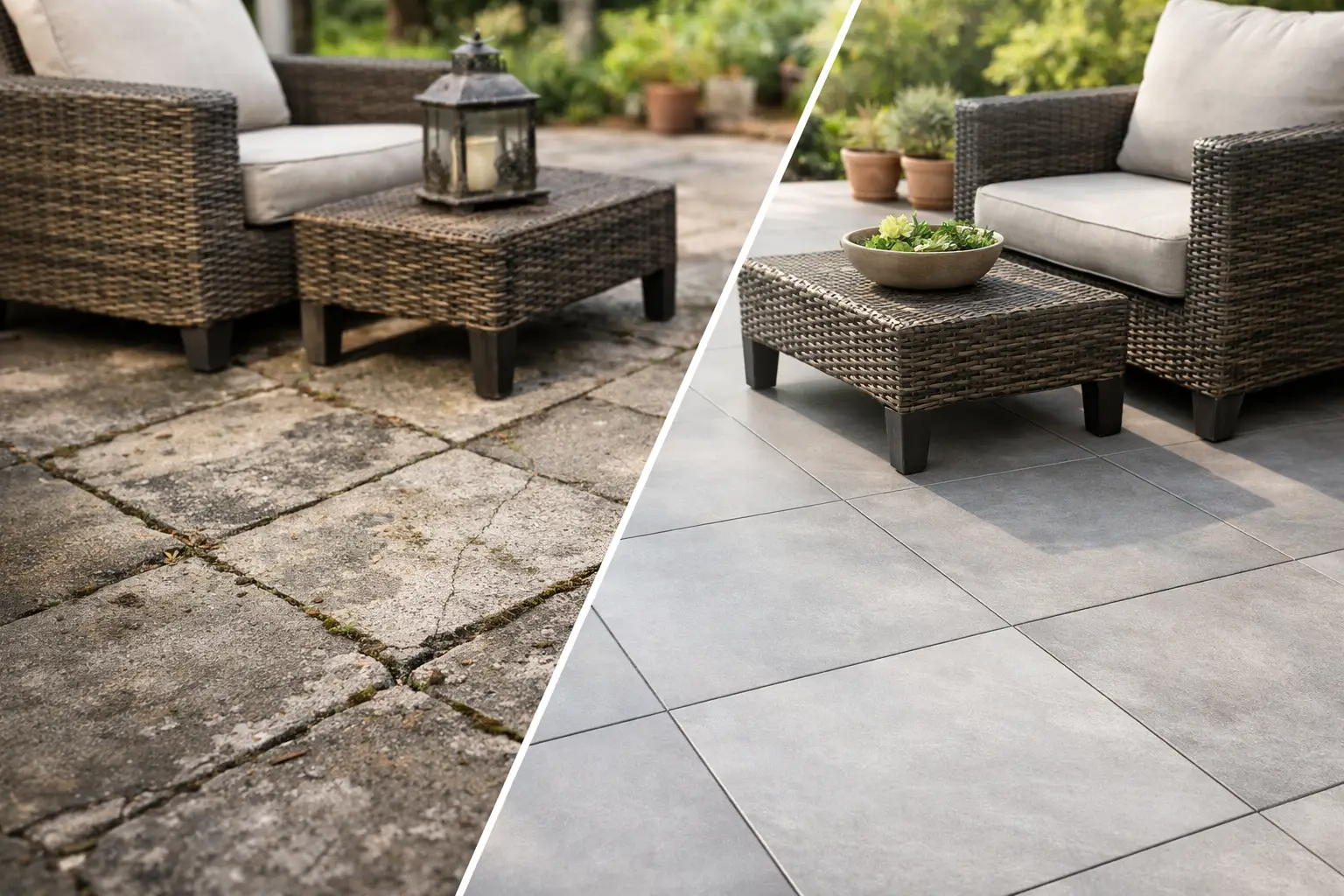
A tired alfresco area rarely fails all at once. It starts with hollow tiles underfoot, hairline cracks near the edge, grout that never quite looks clean again, and puddling that turns a polished outdoor zone into a maintenance problem. When clients ask about alfresco retiling before and after, they are usually not just asking for a visual upgrade. They want to know whether the space can feel sharper, last longer, and perform properly in the weather.
That is the real difference between an average outdoor tile replacement and a high-quality retiling project. The best after result is not simply newer tiles. It is a surface that looks refined, drains correctly, feels solid underfoot, and holds its finish through daily use, rain, heat, and entertaining.
What alfresco retiling before and after really shows
Before-and-after photos tend to focus on style, and understandably so. New tiles can make an alfresco area feel larger, cleaner, and more in step with the rest of the home or development. But visually impressive results are usually built on work most people never see.
The “before” stage often reveals why the original installation failed. The tile may have been laid over an unstable base. Falls may be inadequate, causing water to sit instead of drain. Expansion joints may be missing or poorly placed. In some projects, there is no proper allowance for movement at all, which is where cracking, lifting, and tenting begin.
The “after” stage only looks premium because the substrate, levels, drainage, adhesive selection, and finishing have been handled with discipline. In outdoor settings, appearance and performance are tied together. If one is neglected, the other rarely lasts.
The most common problems in the before stage
Older alfresco spaces often carry defects that are easy to miss until the area is stripped back. Surface stains and dated tile choices may be the obvious issues, but they are rarely the whole story.
Loose or drummy tiles are common, especially where inferior adhesives were used or preparation was rushed. Uneven levels can create trip hazards and interfere with furniture placement. Grout breakdown often points to water ingress, movement, or both. In some cases, the edges of the alfresco zone begin to deteriorate first, particularly where exposure is greatest.
There is also the issue of visual disconnect. An outdoor area might be structurally serviceable, but if the finish jars with the home, the whole rear elevation can feel unresolved. That matters more than many property owners expect. A well-retiled alfresco area creates continuity between inside and out, which lifts both liveability and perceived value.
Alfresco retiling before and after: what changes the outcome
A convincing alfresco transformation is not driven by tile selection alone. Material matters, of course, but execution matters more.
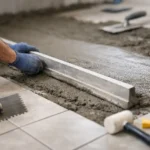
Demolition needs to be controlled, not rushed. Once the old tiles are removed, the substrate has to be assessed properly. If there are cracks, inconsistent levels, unstable sections, or signs of moisture issues, they need to be rectified before a single new tile is laid. Retiling over a compromised base may save time in the short term, but it usually shortens the life of the job.
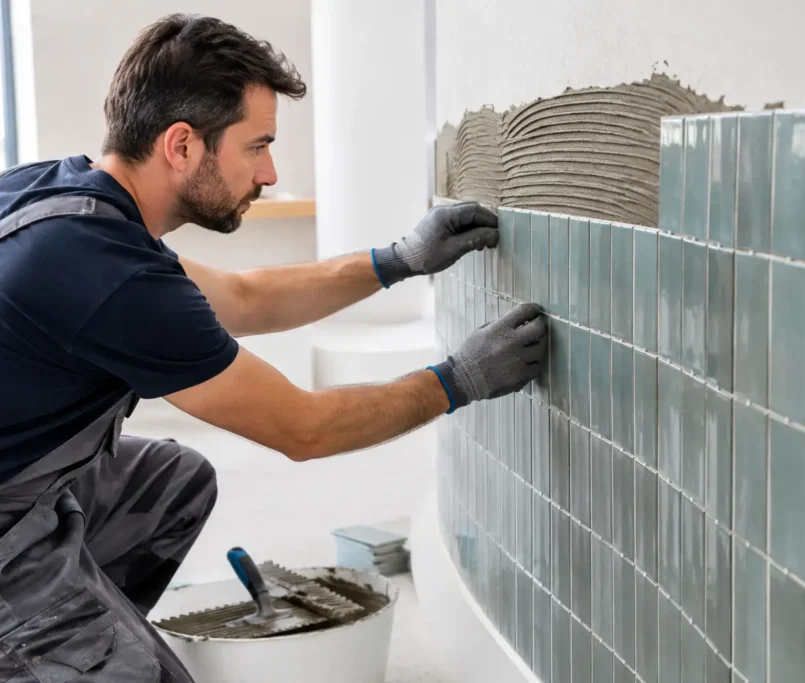
This is where good projects separate themselves. Re-levelling, screeding, movement planning, and edge detailing can sound technical, yet these are the decisions that shape the final finish. Even the most expensive tile will look ordinary if the lines drift, corners are poorly resolved, or drainage has been treated as an afterthought.
For homeowners, the after result is a space that feels composed and easy to use. For builders and developers, it is about consistency, programme reliability, and a finish standard that stands up to inspection.
Material choices that work outdoors
Outdoor tile selection needs a more disciplined eye than indoor spaces. A tile may look exceptional in a showroom and perform poorly in an exposed alfresco setting.
Slip resistance is one factor, but not the only one. Tile density, suitability for temperature variation, ease of maintenance, and tonal variation all matter. Large-format tiles can create a sophisticated, expansive look, though they require a flatter substrate and more precise setting out. Textured porcelain is a common choice because it balances aesthetics with durability, but the right specification still depends on the location and expected use.
A covered alfresco has different demands from a fully exposed entertaining area. Likewise, a private residence has different wear patterns from a hospitality venue or a multi-unit development. The best tile is not always the boldest or the trendiest. It is the one that suits the space, complements the architecture, and performs without fuss.
Why preparation is the real before-and-after story
Preparation is where most of the value sits in alfresco retiling, even though it is the least photographed part of the project.
Outdoor areas deal with water, movement, sun exposure, and substrate stress in a way internal rooms simply do not. If the base is not prepared correctly, the visible finish becomes vulnerable almost immediately. That is why careful demolition, proper cleaning, substrate repair, re-levelling, and appropriate waterproofing or moisture management are not optional extras. They are the foundation of the after result.
Precision also matters at the perimeter. Thresholds, drainage points, steps, and adjoining finishes need to be resolved cleanly. These are small details until they are wrong. Then they become the first thing people notice.
A craftsmanship-led contractor approaches an alfresco zone as a complete system rather than a tile swap. That is often the difference between a project that looks good on handover and one that still looks right seasons later.
Design impact beyond the tiles
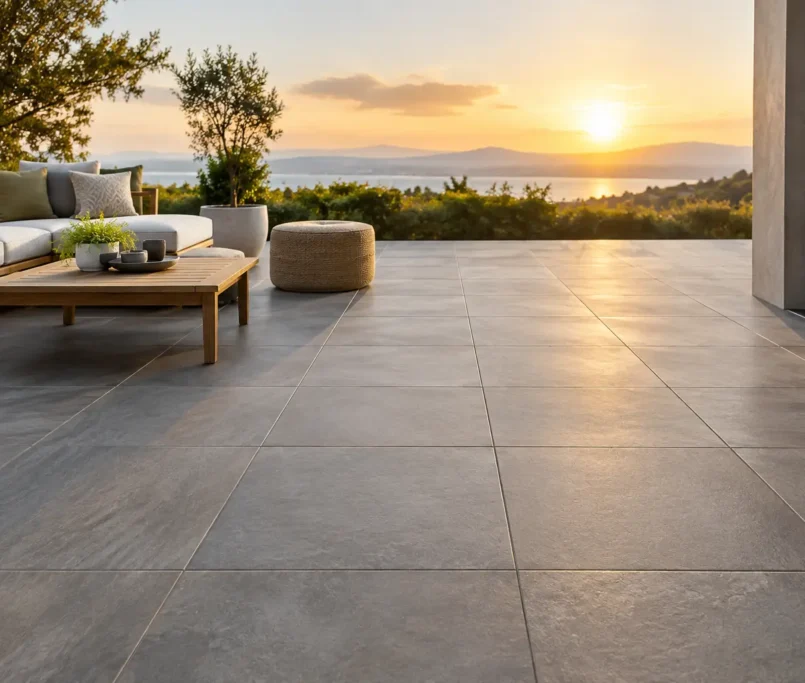
The strongest alfresco retiling before and after results often come from restraint. A cleaner format, a better proportion, and a more cohesive palette can make a dramatic impact without overcomplicating the design.
Light-toned tiles can open up a compact courtyard and soften heat absorption, though they may show organic debris more readily. Darker finishes bring contrast and weight, but they can make a smaller alfresco feel tighter if the surrounding architecture is already heavy. Stone-look porcelain remains popular because it delivers a refined, natural appearance with lower upkeep than many natural materials.
Grout colour also changes the read of the space. A close match gives a calmer, more monolithic look. Contrast can define the laying pattern, but it can also date more quickly. These are not just aesthetic decisions. They affect how premium the final space feels.
For residential and commercial projects, the stakes differ
In a home, alfresco retiling is usually tied to lifestyle. Clients want a space that feels finished, elegant, and ready for daily use or entertaining. They are often balancing visual uplift with confidence that the work will not need revisiting in a few years.
For commercial operators, builders, and developers, the brief broadens. The finish still has to look sharp, but the project also needs to run to programme, interface cleanly with adjacent trades, and hold consistent standards across the job. In larger-scale settings, repeatability matters just as much as craftsmanship. A premium finish has to be deliverable at pace, without slipping on detail.
That is why specialist tiling contractors are brought in not merely to install, but to control risk. When preparation, waterproofing, installation, and finishing are managed as one accountable scope, the outcome is stronger and the process is clearer.
What to expect from a quality after result
A strong after result should feel effortless, but it is never accidental. Tile lines should be clean and intentional. Levels should support drainage without looking forced. Transitions should sit neatly against doors, walls, and external elements. The grout and caulking should finish the work, not distract from it.
Just as importantly, the space should feel better to use. No rocking tiles. No water lingering in the wrong places. No awkward cuts that cheapen the layout. The finished alfresco should read as part of the architecture, not an added surface fighting against it.
That standard of work is what gives before-and-after transformations their real credibility. Not a dramatic photo angle, but a visible sense that every layer has been considered.
Perfectly Laid approaches alfresco retiling in exactly that spirit – with precision in the hidden stages, discipline in execution, and a finish that elevates the entire outdoor setting.
If you are weighing up an alfresco upgrade, focus on more than the tile sample in your hand. The best after result comes from what sits beneath it, how it is installed, and whether the team on site treats detail as the job rather than an optional extra.